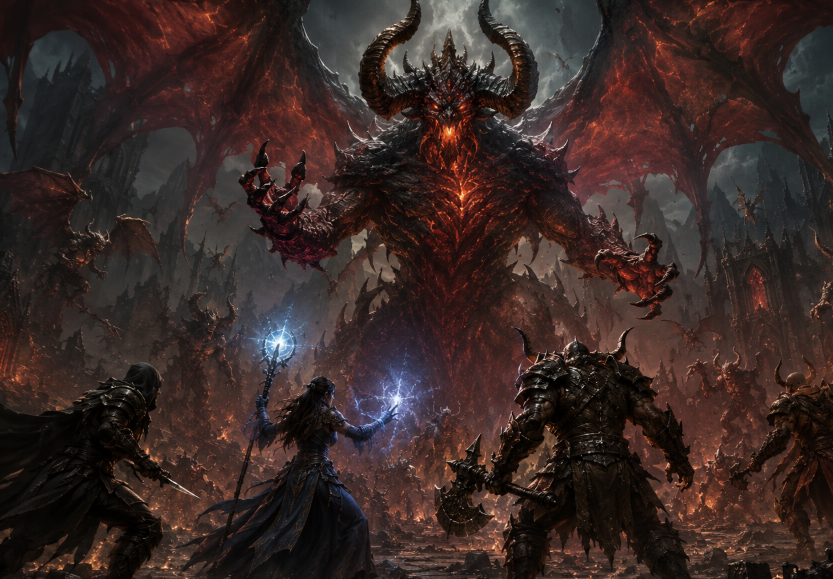
The Diablo 4 Season 14 PTR introduces a major structural shift in how endgame progression is designed and experienced. With the launch of the Mythic 3.0 item system alongside a dedicated SSF (Solo Self-Found) mode, the game moves away from economy-driven gearing and toward a more self-contained, progression-focused ARPG structure.
Mythic 3.0 Shifts Endgame Gear From RNG to Build Identity
The first major change is Mythic 3.0, a complete redesign of Diablo 4’s highest-tier item category. Previously, Mythic items often functioned as rare stat upgrades that rewarded luck and drop frequency. In Season 14 PTR, however, Mythic 3.0 items are repositioned as build-defining components rather than generic power spikes.
Each Mythic item is now designed around specific mechanics and synergies. Instead of simply increasing damage or survivability, these items shape how a build functions at its core. This reduces the randomness of endgame gearing and introduces a more structured progression path where players assemble power through intentional design rather than pure RNG.
As a result, Mythic 3.0 shifts the focus of endgame progression from “finding better gear” to “building a coherent system of power.”
SSF Mode Removes Trading and Reinforces Self-Found Progression
The second major pillar of Season 14 PTR is SSF (Solo Self-Found) mode. In SSF, trading and external item transfers are completely disabled, meaning every piece of gear must be obtained through direct gameplay.
This fundamentally changes how progression works. Without trading as a shortcut, players must rely entirely on farming efficiency, dungeon routing, and personal decision-making. Item drops become more meaningful because each upgrade must be earned and used directly, rather than exchanged for optimal value in a market.
SSF effectively removes external economic influence and forces a fully self-reliant gameplay loop, where progression is tied strictly to individual effort.
Combined Impact: A New Endgame Structure
The true significance of Season 14 PTR lies in how Mythic 3.0 and SSF interact. Mythic 3.0 defines what endgame power looks like, while SSF defines how that power is acquired. Together, they create a unified system where progression is both structured and self-contained.
This combination reduces reliance on trading economies, group funneling, and optimized market behavior. Instead, players progress through consistent gameplay, gradual optimization, and adaptive decision-making. The pacing becomes more deliberate, but also more meaningful.
Increased Build Diversity and Meta Flexibility
One of the most important secondary effects of these systems is improved build diversity. Mythic 3.0 items introduce more specialized effects, which naturally encourage different build paths. In SSF environments, this effect is amplified because players must adapt to what they find rather than what is statistically optimal.
This reduces early meta convergence and opens space for experimentation, especially in mid-to-late progression stages. Instead of following a fixed meta route, players are encouraged to explore alternative setups based on available resources.
Diablo 4 Season 14 PTR represents a clear philosophical shift in endgame design. Mythic 3.0 restructures high-tier itemization around build identity, while SSF removes external shortcuts and reinforces self-earned progression.
Together, these systems push Diablo 4 closer to a traditional ARPG model where power is earned through gameplay rather than exchanged through systems or economies.